 Indiiramma Garden
Plant Care
Decide When to Water by Checking the Root Zone
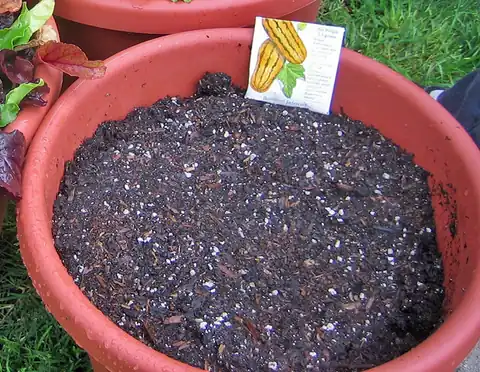
A watering reminder should prompt an inspection, not an automatic pour. Check the medium where roots are growing and learn the weight of each pot before deciding what it needs.
Read article →15 guides
Build practical routines for watering, feeding, harvesting, and responding to changing growing conditions.
A watering reminder should prompt an inspection, not an automatic pour. Check the medium where roots are growing and learn the weight of each pot before deciding what it needs.
Read article →Water that immediately escapes at the edge can leave a dry center behind. Rewet a genuinely dry root ball slowly, then verify moisture and allow drainage before returning to normal care.
Read article →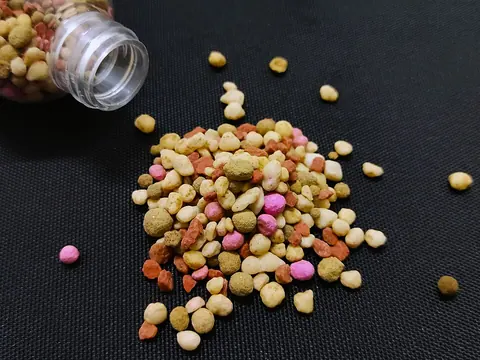
Choose fertilizer for the actual plant and read its application instructions before opening the package. Existing nutrients, watering, and growth matter more than a promise on the front of the container.
Read article →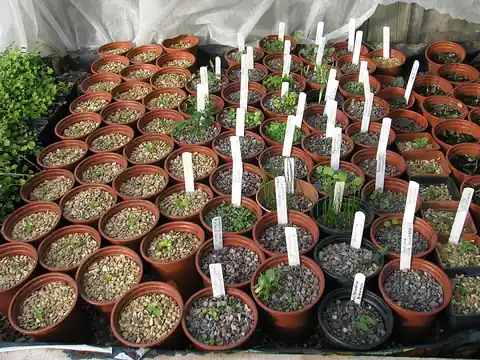
Indoor-grown seedlings need a gradual transition to outdoor light, wind, and temperature. Use a sheltered start and the forecast to guide progress rather than treating one calendar date as planting permission.
Read article →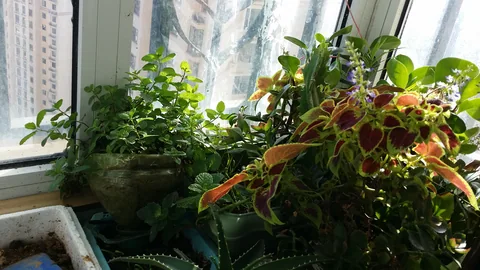
Turning a pot can distribute one-sided window light more evenly. It cannot supply the extra light a dim room lacks, and it will not necessarily straighten growth that has already become woody.
Read article →Remove ordinary dust with the gentlest method suited to the leaf. The aim is a clean surface you can inspect, not an artificial shine or a home-made coating.
Read article →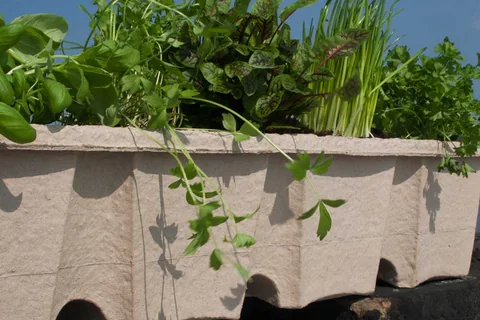
Harvest leafy herbs by cutting the right part of the right plant. A branching basil stem, a parsley leaf stalk, and a woody rosemary shoot should not receive one universal pruning treatment.
Read article →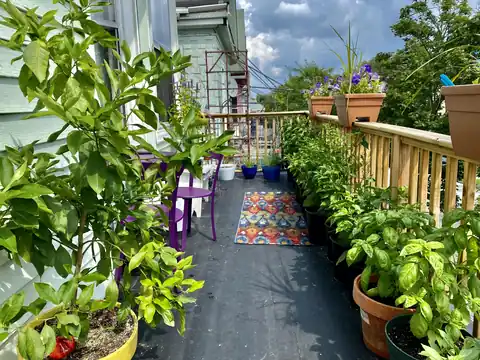
Choose a support for the plant's mature habit and install it while access is easy. A tall trellis is useful only when the container and its placement can remain stable.
Read article →During a hot spell, check the root zone more often and reduce avoidable exposure. A wilted leaf can indicate heat stress even when the pot contains enough water.
Read article →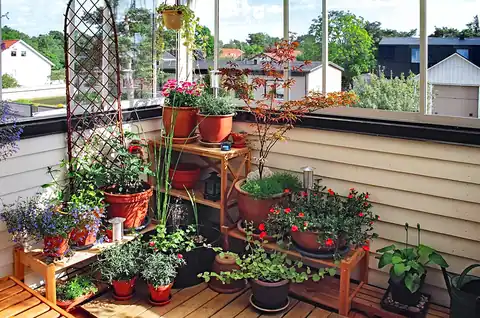
Use the forecast and the plant's cold sensitivity to decide which pots need moving or covering. A sheltered wall and a thin cover are not substitutes for suitable temperatures.
Read article →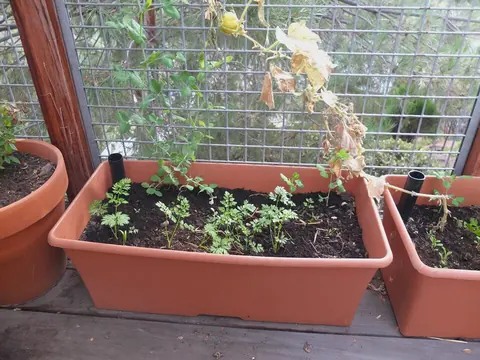
A useful trip plan starts with a trial while you are still home. Match assistance or equipment to each pot, and leave instructions that distinguish checking moisture from watering automatically.
Read article →Use the crop's final spacing to decide which seedlings can stay. Removing a few early is usually less disruptive than waiting for crowded roots and stems to become inseparable.
Read article →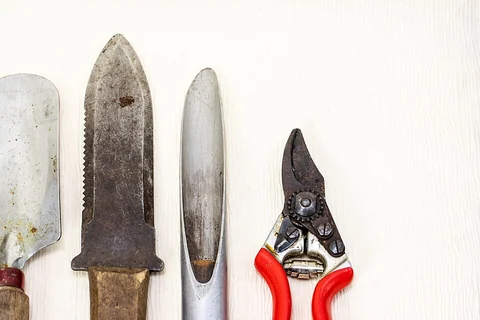
Remove debris before choosing a disinfectant. Clean-looking blades and pots can still carry plant pathogens, and a product needs the right surface, use directions, and contact time to be useful.
Read article →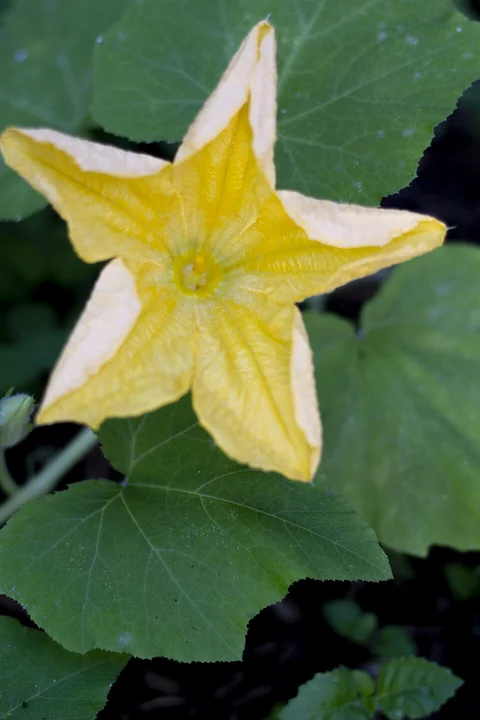
Hand pollination can help when a squash has receptive flowers but inadequate pollen transfer. First distinguish male and female flowers; an immature fruit beneath a blossom does not prove successful pollination.
Read article →Keep the facts that change your next care decision: what the root zone felt like, what you applied, and how the plant changed afterward. A useful plant log is a working record, not a requirement to describe the garden every day.
Read article →