 Indiiramma Garden
Keep a Plant Log That Helps You Make Decisions
Keep the facts that change your next care decision: what the root zone felt like, what you applied, and how the plant changed afterward. A useful plant log is a working record, not a requirement to describe the garden every day.
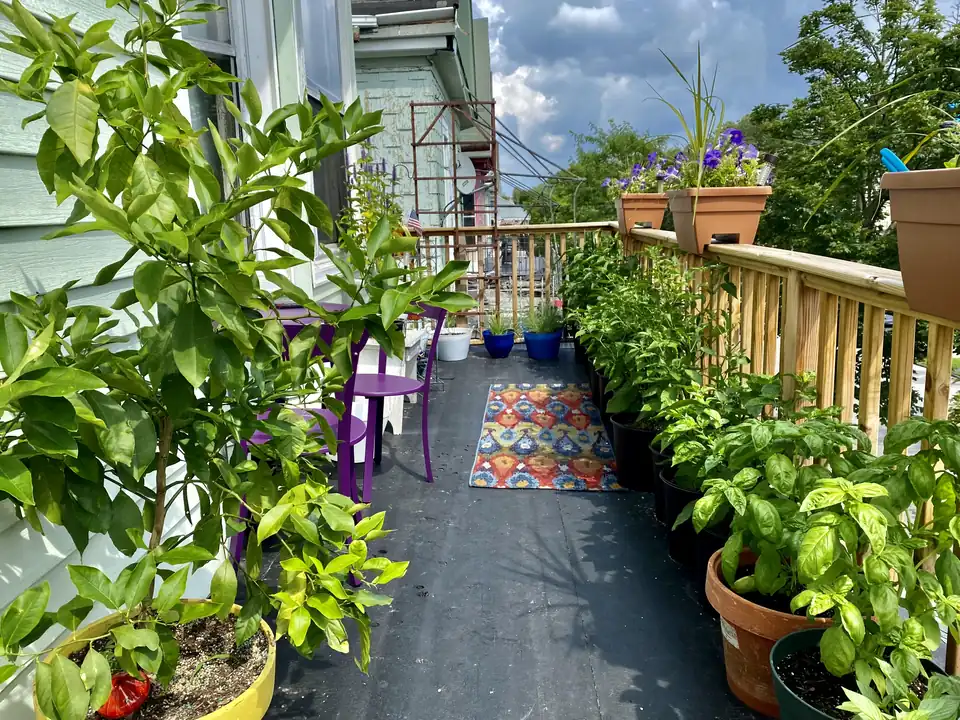
Give each pot a stable identity
Start with a plant name or reliable working label, the container, growing medium, planting date if known, and location. Include the cultivar when it affects size, harvest, or care. An unidentified old entry saying watered the big pot is difficult to use once pots move or plants grow.
Record unknown facts as unknown. A nursery purchase date is not necessarily the sowing date, and the first day you notice a symptom is not proof that it began that morning. These distinctions keep later decisions from resting on an invented history.
Record the observation before the response
Use a short entry with time, moisture below the surface, notable exposure or weather, and the visible change. Then record the action separately. For example, an illustrative entry might say: medium still moist; two lower leaves yellow; did not water; checked drainage. That is a suggested recording format, not a report of a plant we tested.
For fertilizer or other products, keep the product name and exact label-directed application you used. For pruning or repotting, note what changed. Colorado State Extension explains why care history and symptom progression help diagnosis; a list of watering dates alone omits much of that context.
Choose a question the record can answer
When reviewing entries, ask something concrete. Is the pot drying more quickly after moving into wind? Did new damage appear before or after a location change? Was a fertilizer application repeated sooner than intended? Add a dated overall photograph and a close view when a developing symptom is hard to describe.
Keep the scale modest: one short table can be enough. Record checks when they inform a decision rather than filling every blank with routine prose. If no action was needed, that is useful information too.
Use patterns as clues, not proof
Avoid changing water, fertilizer, light, and medium together merely to create an activity list. Where it is appropriate to make a modest adjustment, document it and review the response before adding another. Recovery after a change does not by itself prove the change caused recovery.
If the plant continues declining, bring its identity, pictures, care history, and timing to a local extension service or suitable diagnostician. A log helps you ask and answer better questions; it does not turn a leaf color into a diagnosis or an informal comparison into an experiment.
Sources and scope
- Colorado State University Extension, Diagnosing Plant Disorders.
- University of Maine Cooperative Extension, Maine Home Garden News - November: Greening Your Houseplant Thumb.