 Indiiramma Garden
Find the Cause of Yellow Leaves Before Adding Fertilizer
Yellowing is a useful observation, but it does not name the problem. Before feeding a plant, record which leaves changed, what changed in its care, and what the growing media feels like. A diagnosis that begins and ends with leaf color can send you toward the wrong treatment.
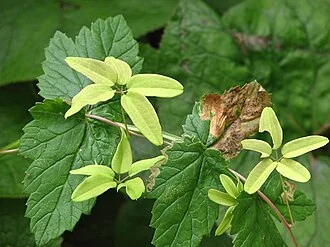
UC Integrated Pest Management lists several possible explanations for yellow foliage, including light, root conditions, watering, nutrition, and pests. The same visible symptom can have more than one contributing cause. UC houseplant diagnostic guide
Describe the pattern before changing it
Identify the plant and cultivar if possible. Distinguish a naturally pale or patterned leaf from a recent change. Note whether the oldest leaves, newest leaves, or the whole canopy are affected. Photograph both sides of representative leaves and the entire plant under ordinary light.
Write the date beside the observation. Include whether leaves are dropping, growth has slowed, or stems have changed. These details help distinguish a continuing problem from one damaged leaf that has remained on the plant for weeks.
Avoid stripping every affected leaf immediately if you need help identifying the pattern. Keep useful photographs before removing damaged material as part of care.
Inspect the conditions in a fixed order
Start with the root-zone moisture and drainage arrangement. Is the pot inside another vessel holding water? Has the media stayed wet since the last watering? Is it dry below the surface despite receiving small splashes?
Next, review light and recent moves. Record a change of window, a move outdoors, new shading, or exposure to a heater or cold draft. Then inspect leaf undersides and shoot tips for actual pests rather than assuming that yellow tissue proves insects are present.
Finally, review feeding. Find the product, dose, and dates actually used, including fertilizer already supplied in the mix. If you cannot identify them, say so instead of reconstructing a confident history.
Choose a correction that follows the evidence
Correct an obvious setup problem, such as inaccessible retained drainage water, while continuing to investigate. Do not add fertilizer, move the plant, change its pot, and apply a pest product all at once without a reason for each action. That makes the result harder to interpret.
If nutrition remains a plausible issue, use guidance for the identified plant and its media. A color chart is not a substitute for evidence about roots, water, or pH. Seek testing or local extension advice when needed rather than choosing a nutrient solely from a photograph.
Keep checking whether the problem progresses and how new growth develops. The observation sequence here is an editorial aid, not a diagnostic test. The UC source concerns houseplants; outdoor crop problems may require crop-specific advice. No yellow-leaf photograph establishes a deficiency, pathogen, or need for a particular fertilizer dose.