 Indiiramma Garden
Adjust Container Care During Hot Weather
During a hot spell, check the root zone more often and reduce avoidable exposure. A wilted leaf can indicate heat stress even when the pot contains enough water.
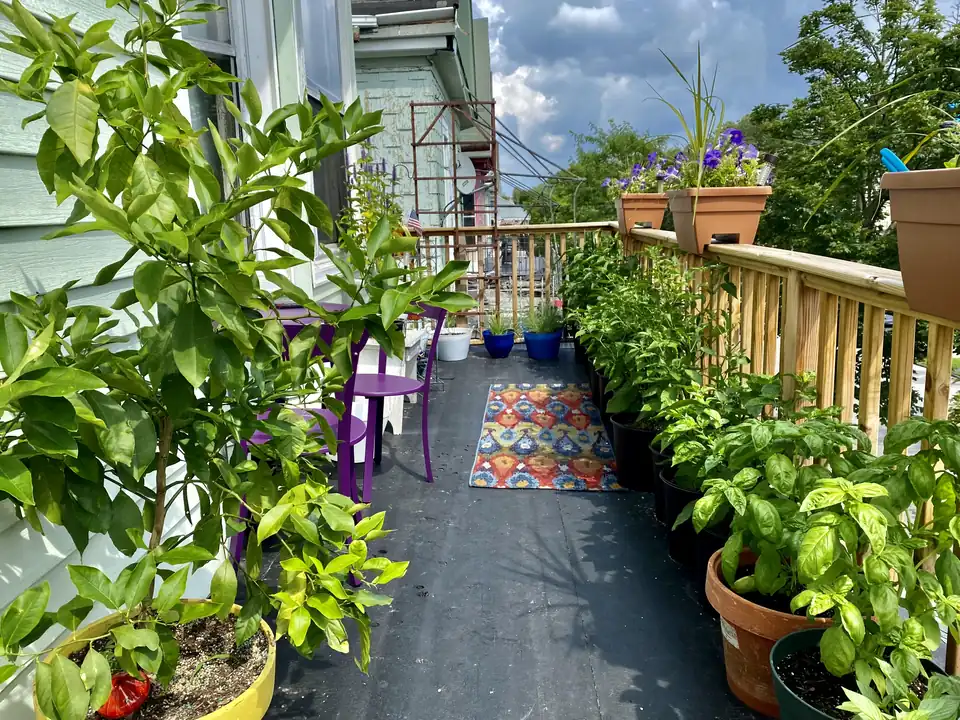
Read the pot before reaching for the can
Check moisture below the exposed surface, then look at the plant and its surroundings. A dry, light container and a moist, heavy one should not receive the same response to drooping leaves. University of Minnesota Extension notes that heat and hot wind can cause wilting even in well-watered plants.
Compare the pattern across the day. A plant that droops in the hottest period and improves as conditions ease presents a different picture from one that stays limp in wet medium. Neither pattern alone confirms a diagnosis, but both are better evidence than adding water every time a leaf bends.
Reduce the harshest part of the day
Move portable containers to a suitably sheltered position or provide temporary shade during peak exposure, while keeping the crop's normal light needs in view. Morning sun with protection from intense afternoon heat can be useful during an exceptional spell. Do not move a plant to a dark indoor corner and call that a permanent solution.
Make sure temporary shade cannot fall onto plants or block the walking route. Review the container itself: an exposed dark pot can heat the root zone, and a windy edge may dry much faster than a protected place nearby. A new position requires fresh observation rather than the old watering routine.
Water for the root zone, then reassess
When the medium needs water, apply it slowly where roots can use it. Check again sooner in drying conditions, especially for small pots and large plants. A timetable copied from a cooler week may no longer fit, but extra inspections do not mean every inspection must end in watering.
Expect some growth or flowering changes during stressful weather. Adding fertilizer is not a general remedy for every stalled plant. Note the forecast, moisture, and exposure adjustments so you can distinguish continuing stress from recovery after the heat eases. If a plant remains distressed despite appropriate moisture and protection, investigate roots, drainage, pests, and crop-specific problems.
Sources and scope
- University of Minnesota Extension, Keep gardens thriving through the heat.
- University of Maryland Extension, Growing Vegetables in Containers and Salad Tables.