 Indiiramma Garden
Choose a Mulch for Exposed Container Soil
Choose a purposeful surface covering while retaining access for moisture checks and plant care.
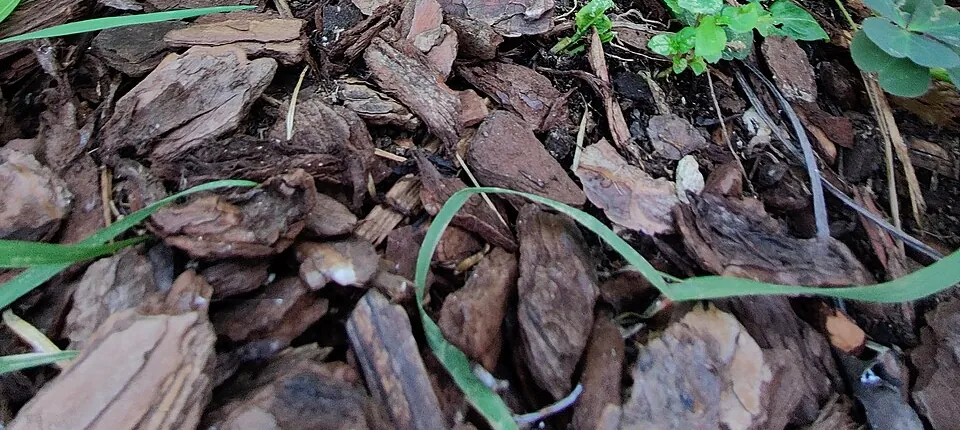
A bare patch of potting mix can invite another garden purchase: bark, straw, pebbles, or a decorative covering. Before choosing one, decide what you want the surface layer to do. A practical cover for an exposed outdoor planter is a different decision from changing the growing media throughout the pot.
University of Minnesota Extension notes that container mulch can reduce evaporation, moderate surface temperatures, and limit soil splash. It also cautions that mulch is not suitable for every container. Minnesota container care guidance
Establish the problem first
Observe the uncovered pot during normal care. Is the surface exposed to sun and wind? Does watering splash media toward the leaves? Can you still reach the surface to check moisture? Write down the issue rather than choosing a material solely because it looks tidy.
If the container remains excessively wet, do not use mulch as a substitute for investigating drainage and watering. Review the pot and media first. Covering the top does not open a blocked outlet or identify a plant-health problem.
Consider what will be planted next. A container reserved for sowing needs a different sequence from one already occupied by established plants. Keep the sowing area accessible and follow the crop's germination instructions; do not hide it beneath a layer added for appearance.
Choose a material you can account for
Minnesota's examples include herbicide-free grass clippings and suitable natural materials such as straw or coir. The qualification matters: a bag of clippings with an unknown treatment history is not equivalent to a known untreated supply. If you cannot establish where a material came from, choose something with clearer provenance.
Buy or gather only what the small container project needs. Think about where the remainder will be stored and whether you can remove the covering easily when planting changes. Material that is awkward to manage on a small balcony may create more work than it saves.
There is no universal best mulch in this list, and no fixed depth is prescribed here. Pot size, plant growth, and the nature of the material all affect the decision.
Keep the plant base visible
University of Georgia Extension's repotting guidance recommends leaving the root crown uncovered when adding a thin surface layer. Its discussion concerns woody plants and perennials; use plant-specific advice where the planting requires it. Georgia repotting guidance
Apply a surface covering so that you can continue inspecting the plant and reaching the media. Make a note of what was added. During later checks, move a little aside if necessary to assess the growing material beneath, rather than judging moisture only from the covering's appearance.
Review the arrangement as the plant spreads. A clear space that made sense at planting may need attention later. Mulch is part of ongoing care, not a one-time instruction to stop looking at the soil surface.
What to expect
The sources support potential moisture, temperature, and splash-management benefits. They do not establish a percentage water saving for your pot or a longer guaranteed interval between waterings. This article reports no comparison trial. Continue checking the container and adjust care to what you find beneath the surface.