 Indiiramma Garden
Understand Bolting Before Replacing a Leaf Crop
A leaf crop that raises a central flower stalk is changing its growth stage. That transition deserves a different decision from an ordinary watering or feeding problem. First establish which crop you have and whether the new structure is reproductive growth.
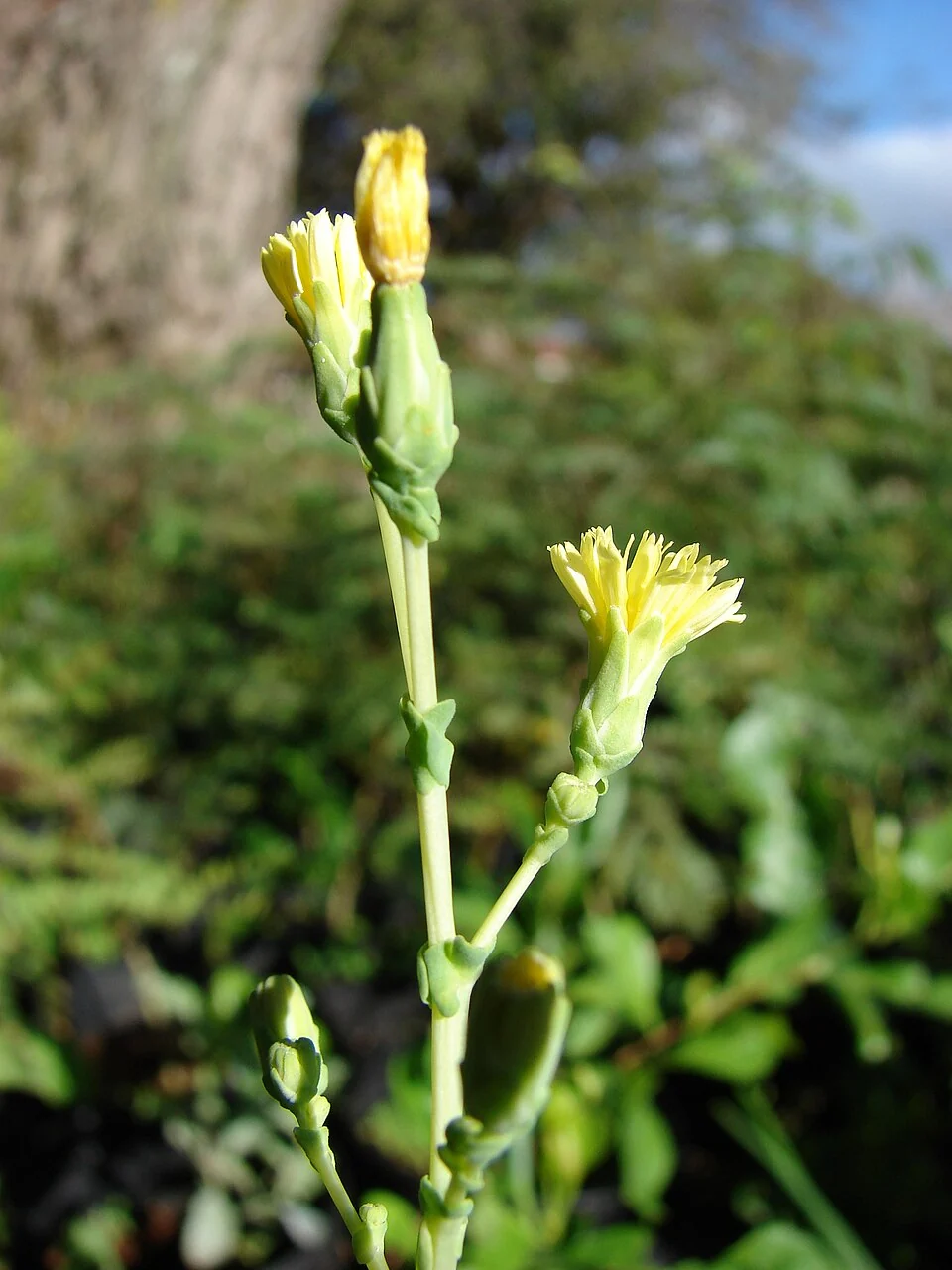
University of Minnesota Extension explains that spinach responds to increasing day length by bolting, with heat and drought able to accelerate the response. It contrasts this with Swiss chard, whose flowering response differs. Minnesota spinach and chard guide
Identify the change, not just the height
Look at the center of the plant. Note a developing stalk, buds, and any change in leaf shape. Compare that with thin stretched growth caused by another issue. Photograph the whole plant and growing tip before cutting anything if you need help identifying the stage.
Check the seed packet or original label. Lettuce, spinach, chard, and culinary herbs should not be treated as one crop with one flowering trigger. Even within a crop, cultivars differ in how quickly they respond.
Do not confuse every flower with a failed planting. If your purpose is edible leaves, the transition may end the crop's usefulness sooner than you wanted; if you intentionally retained a plant for flowers or seed, your decision may be different.
Put the plant's history beside the weather
Record the sowing or transplant date, the cultivar, and recent conditions. Was the planting entering a period of longer days or more heat? Did it experience drought or a cold period? These questions identify what crop-specific advice to seek rather than establishing a cause by themselves.
Minnesota's examples reflect its latitude and season. A month named in that source cannot be applied to a different hemisphere or a warm-winter region without local context. Look for recommendations for the crop and climate you actually have.
If a cultivar was described as slow to bolt, keep that distinction in your notes. It may be useful for another planting, but the phrase does not mean that flowering is impossible.
Decide what the remaining space is worth
Assess the leaf quality and your intended use. A plant already progressing into flowering should not be kept indefinitely while you try to restore its earlier stage with fertilizer. Cutting a stalk is not a general promise that the plant will resume the same leaf production.
If you remove the crop, record what you learned before discarding the label. Plan a replacement for the conditions ahead, not the conditions that existed when the original was sown. A different crop or a later local sowing window may be more useful than repeating the same selection immediately.
Keep seed-saving separate from casual retention: cultivar identity and seed-production requirements need their own guidance. This article explains a reproductive transition, not the exact trigger in every leaf crop. It offers no universal temperature threshold, reversal treatment, or season-long harvest guarantee.