 Indiiramma Garden
Grow Lettuce in a Pot Before Heat Changes the Crop
Lettuce is easier to plan when harvest is treated as a stage to reach rather than a container to keep indefinitely. Choose the type of leaves you want, sow for an appropriate local growing period, and begin picking while their quality is useful.
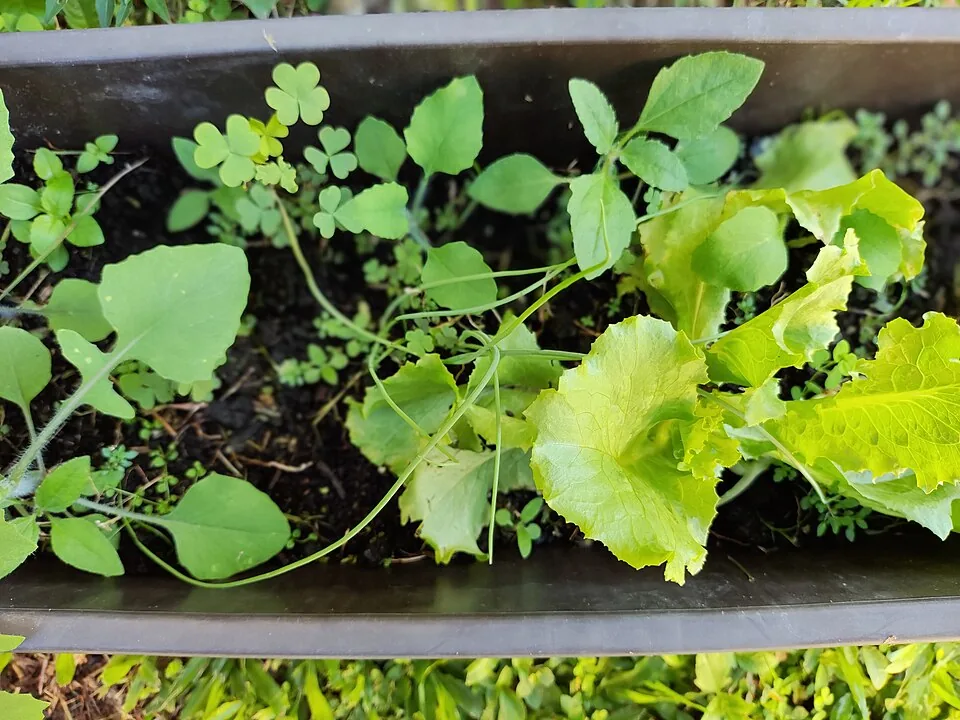
University of Minnesota Extension describes lettuce as a cool-weather crop and identifies heat and long days among the influences that can trigger bolting. Loose-leaf types can be harvested a leaf at a time, retaining smaller leaves for further growth. Minnesota lettuce guide
Decide what you intend to harvest
A packet for loose leaves and one for full heads require different space planning. Read the cultivar description and determine whether you want baby leaves, individual mature leaves, or a finished head. Use spacing guidance for that goal instead of combining the closest spacing with an expectation of large heads.
Fill a draining container with suitable growing media and follow the seed depth on the packet. Label the date and cultivar. Thin where necessary before the planting becomes an impenetrable patch. Small scissors can help remove unwanted seedlings without repeatedly disturbing those you retain.
If you begin with transplants, check the same finished spacing rather than treating the nursery tray's density as a planting recommendation.
Put the local weather beside the packet
Look ahead to the conditions the crop is likely to encounter before harvest. The sowing months in a Minnesota guide reflect Minnesota. A reader in a warmer or different-hemisphere climate needs a local planting window instead.
If hot weather is approaching, consider a smaller trial rather than filling every available pot. Record which cultivar and position you used. A variety described as slow to bolt is worth distinguishing from one without that trait, but it is not guaranteed to stay leafy through unsuitable conditions.
Check moisture in the root media during the crop's growth. A container protected by an overhang may not receive rain you noticed elsewhere. Avoid using the surface color or a weekly garden-bed allowance as the only watering cue.
Harvest before the plant changes jobs
For leaf-by-leaf picking, take usable leaves while leaving the smaller growing leaves in place. If you plan to harvest the whole plant, decide that before it becomes overgrown and bitter. Do not wait for a container to look as full as a catalog picture if the leaves are already ready for your intended use.
Watch for a lengthening central stem and developing flower growth. That is a different process from a plant merely needing another drink. Watering or feeding is not a dependable way to turn a bolting crop back into its earlier leaf stage.
Remove a spent planting when it no longer serves your goal, review its condition, and plan the next crop for suitable weather. The source supports cool-season planning and harvest-stage decisions; no worldwide sowing month, guaranteed regrowth count, or heat-proof cultivar is implied.