 Indiiramma Garden
Grow Dwarf Beans with Support and Regular Picking
A dwarf or bush bean does not need the climbing framework of a pole bean. For a small container project, begin by confirming the habit and deciding what you intend to harvest. Support should answer an actual need in the setup, rather than turning every bean into a climbing crop.
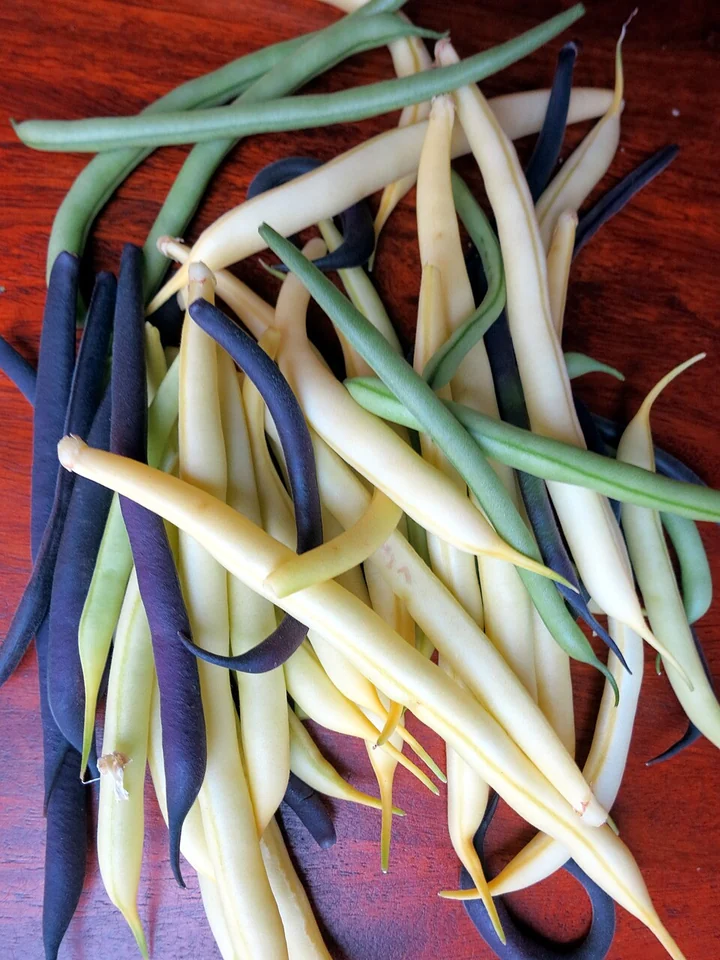
University of Minnesota Extension distinguishes bush, pole, and half-runner habits. It describes bush beans as upright plants that generally do not require support, and identifies the tender-pod stage as the time to harvest snap beans. Minnesota bean guide
Read habit and harvest use separately
Choose a named bush selection suited to your available space. Then establish whether you are growing snap beans, shelling beans, or dry beans. These are harvest uses, not interchangeable instructions. A pod ready for one purpose may be wrong for another.
For a first small crop, keep the packet accessible and work with one identified type. Note the expected mature spread and finished spacing. A compact label does not mean seedlings can be left at any density that happens to emerge.
Prepare a draining pot with suitable growing media. Sow according to the variety's instructions when local conditions are warm enough. Avoid treating the planting date in a northern-US guide as a worldwide calendar. Label the sowing so that you can connect later growth with the actual weather experienced.
Let the bush habit work
Leave space around the plants for foliage and access to pods. If stems lean into a route, reassess placement and crowding. Any modest support you choose should stabilize the plant without binding or forcing it into an unsuitable shape. Follow the cultivar's advice if it differs from a typical bush type.
Do not tie a plant to a balcony rail as an improvised answer to an uncertain setup. Building attachments and falling-object safety require their own assessment. If your selected variety actually develops long climbing stems, verify the identity and habit before continuing with the bush-bean plan.
Check moisture and drainage as growth develops. Do not assume beans' reputation for modest fertilizer needs removes the need to understand the growing media or read a product label.
Search for pods, not just flowers
For snap beans, inspect inside the foliage regularly and pick while pods are still tender, before seeds bulge prominently. Support the stem while removing pods so that a hidden attachment does not become a broken branch. Keep the plant accessible from the start; harvesting is awkward when one side of a container cannot be reached.
Record whether the crop is still flowering and setting pods. Bush beans can have a relatively concentrated production period, so regular picking does not promise an endless harvest. If you want another sowing, check the remaining suitable season before committing more space.
This article concerns common bush beans, usually Phaseolus vulgaris. It supplies neither pole-bean training instructions nor a yield promise. Harvest maturity, cooking, and food handling must match the actual bean type; ornamental or unidentified bean seed is not an interchangeable edible crop.