 Indiiramma Garden
Grow Chives for Repeated Small Harvests
A pot of chives suits the cook who wants a small amount at a time. Its clump of slender leaves makes it easy to take a few for a meal and leave the remainder growing. The useful habit is to inspect the plant as you harvest, rather than cutting automatically whenever you pass it.
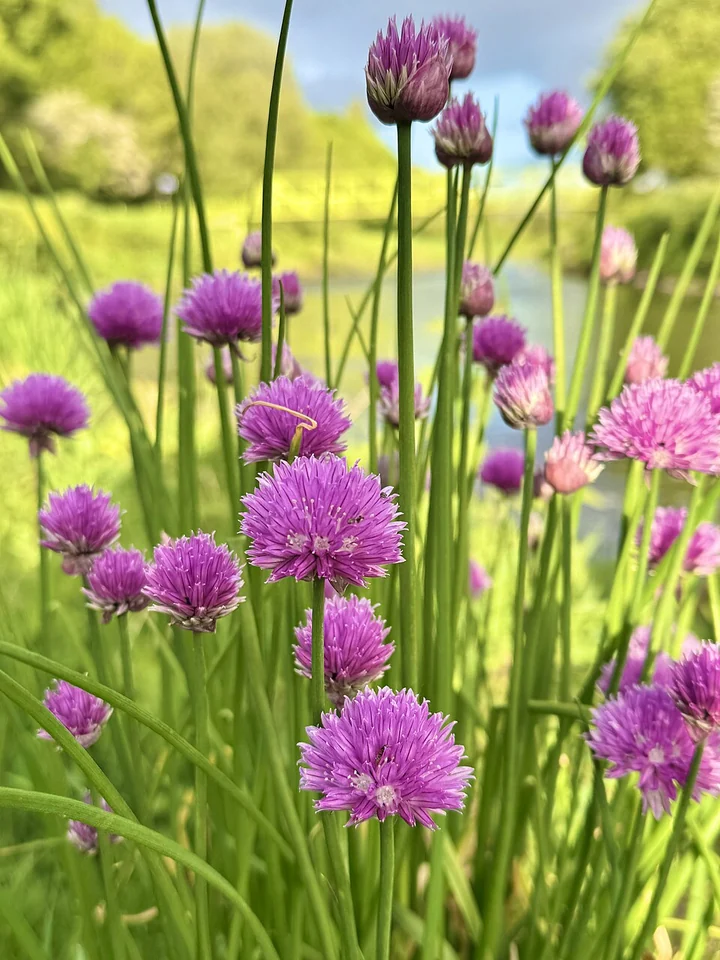
Common chives, Allium schoenoprasum, have hollow leaves and a clump-forming perennial habit. University of Minnesota Extension recommends harvesting leaves near their base and describes division as a way to renew established clumps. Minnesota chive guide
Start with the right plant
Buy a labeled clump or sow identified seed. Garlic chives, Allium tuberosum, are a different species, with flat leaves and different flowering behavior; do not assume every instruction about common chives applies unchanged.
Choose a pot with usable root space and drainage. Keep enough access around the clump to snip leaves without tugging. A sunny site and suitable container media provide a sensible start, but an indoor winter window and an outdoor summer patio will not produce identical growth.
When positioning the pot, leave space for flower stalks as well as leaves. If its location is cramped, move other objects before the plant becomes awkward to reach. Keep the plant label somewhere it will survive repeated watering.
Pick a meal-sized amount
Gather the leaves you want and cut them near the base using clean scissors. Avoid pulling them out with your fingers or leaving a mass of shortened tips across the whole pot. Retain a healthy portion of the clump, especially when growth is slow.
Inspect finished flower stalks separately. Removing them after bloom prevents seed formation, according to the Minnesota guide. Decide whether you are maintaining a compact leaf crop or intentionally allowing flowers, rather than confusing tall flower stems with ordinary leaves.
If the plant supplies less than you need, check whether it is actively growing before taking another large harvest. Lower seasonal light can reduce indoor growth. Extra fertilizer does not replace light, and slow winter growth is not a reason to increase feeding automatically.
Divide when the clump needs attention
Reassess an established pot when it becomes crowded or difficult to maintain. Prepare suitable containers and media before lifting it. Examine the roots and separate manageable rooted portions for replanting; seek plant-specific advice if the roots appear unhealthy rather than simply crowded.
The Minnesota source suggests periodic division in its spring-growing context. Use that as a prompt to inspect an established plant, not a compulsory anniversary for every pot in every climate. Keep only as many divisions as you have space to care for.
After repotting or division, check moisture anew. The original container's routine is not automatically suitable for several smaller pots. This guide promises neither continuous winter production nor a fixed number of cuts, and it does not establish pet safety from the plant's culinary use.